The Nature Conservancy
Pacific Coast Ocean Restoration Initiative
Transforming Marine Habitat Restoration and Species Recovery in California

Rocky Reef and Kelp Forest Habitats
Kelp forest and rocky reef ecosystems support thousands of marine species and communities along the California coast, and they contribute hundreds of millions of dollars to California’s economy each year. However, changing ocean conditions, disease and human impacts have severely disrupted these ecosystems and associated species.

A Crisis for our Coast
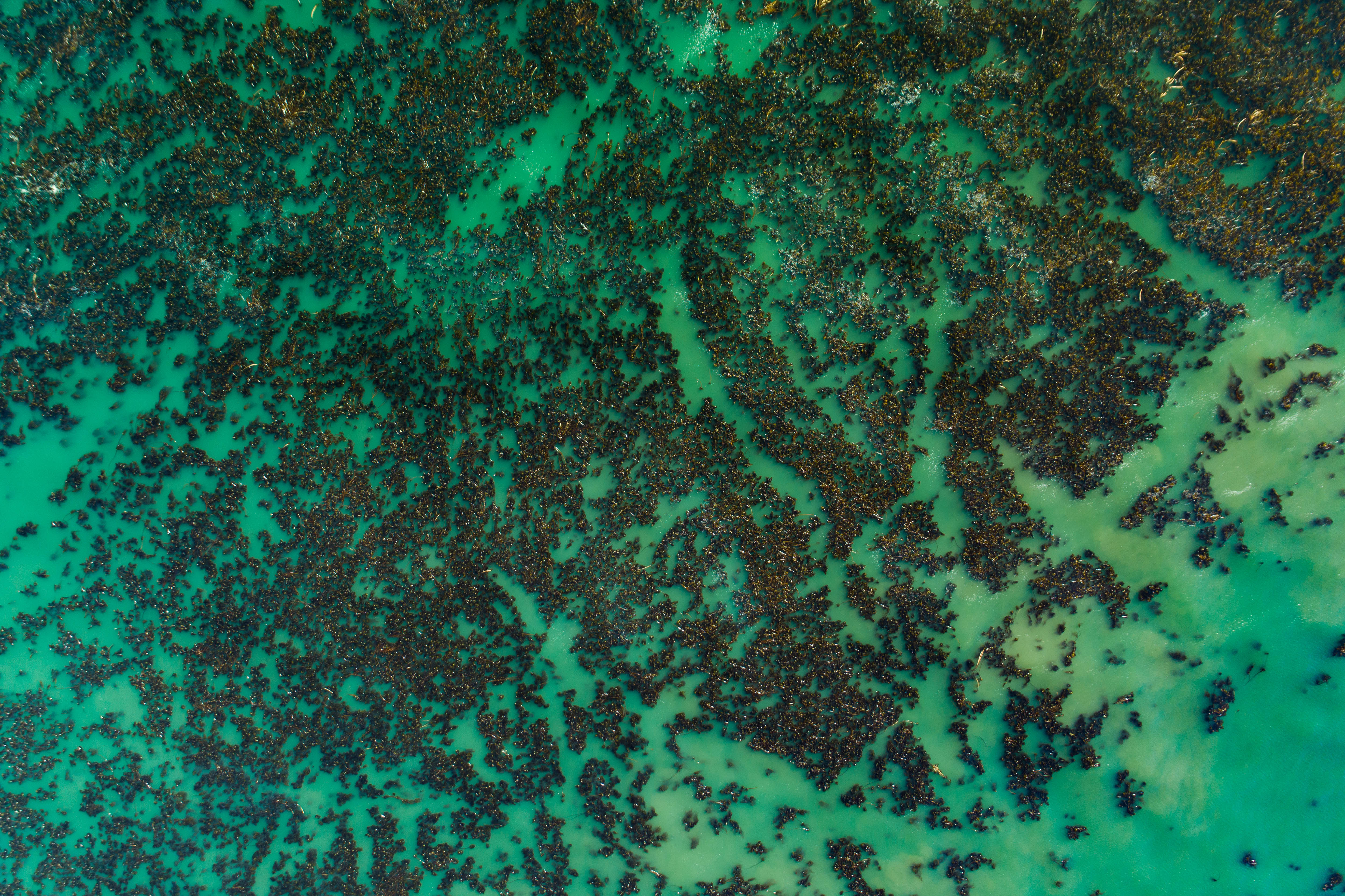
Since 2013, bull kelp forest canopy cover has decreased by over 96% in northern California. Kelp forest ecosystems in some locations in central and southern California have also experienced significant kelp forest losses in kelp, with severe repercussions for biodiversity, fisheries, and local communities.
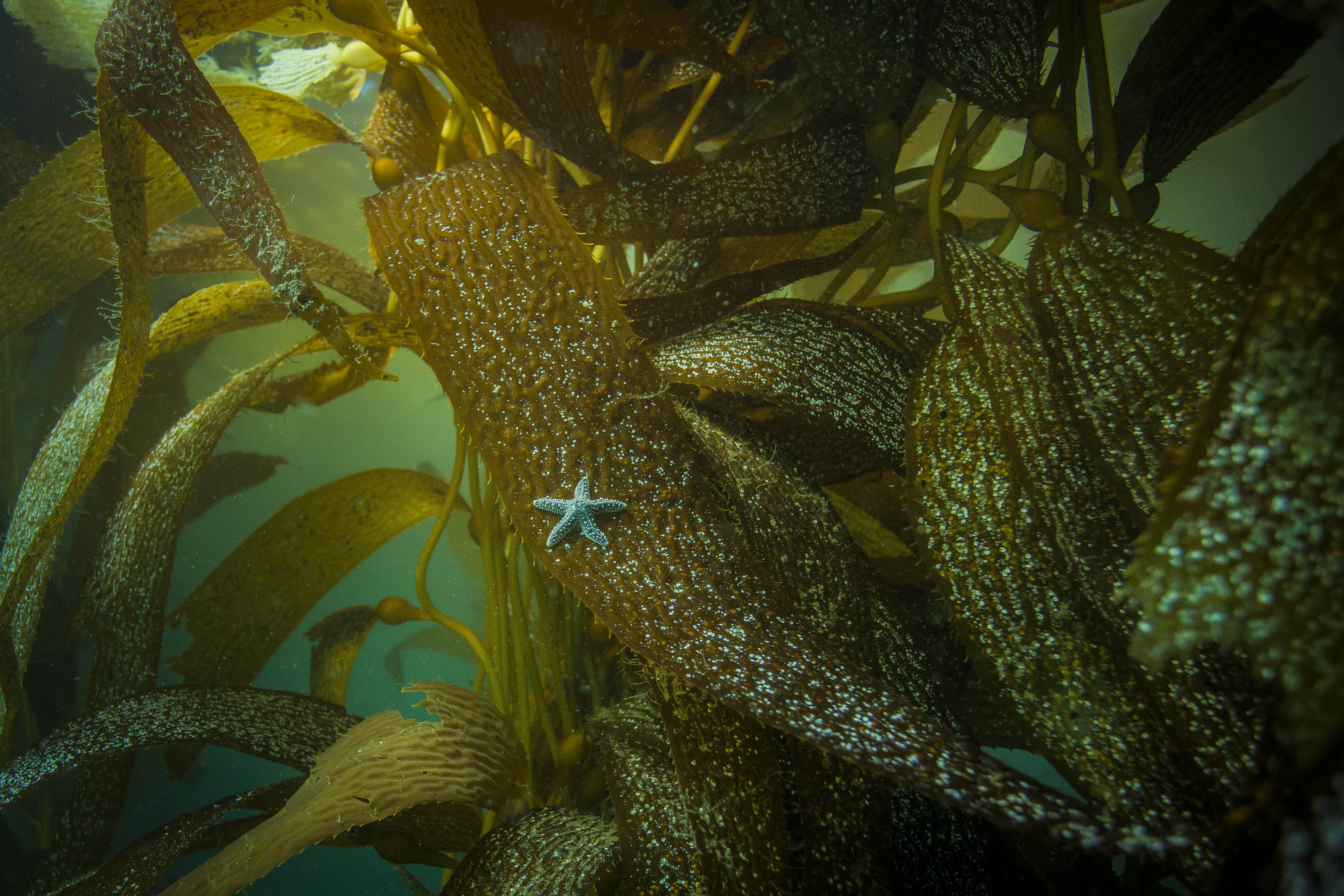
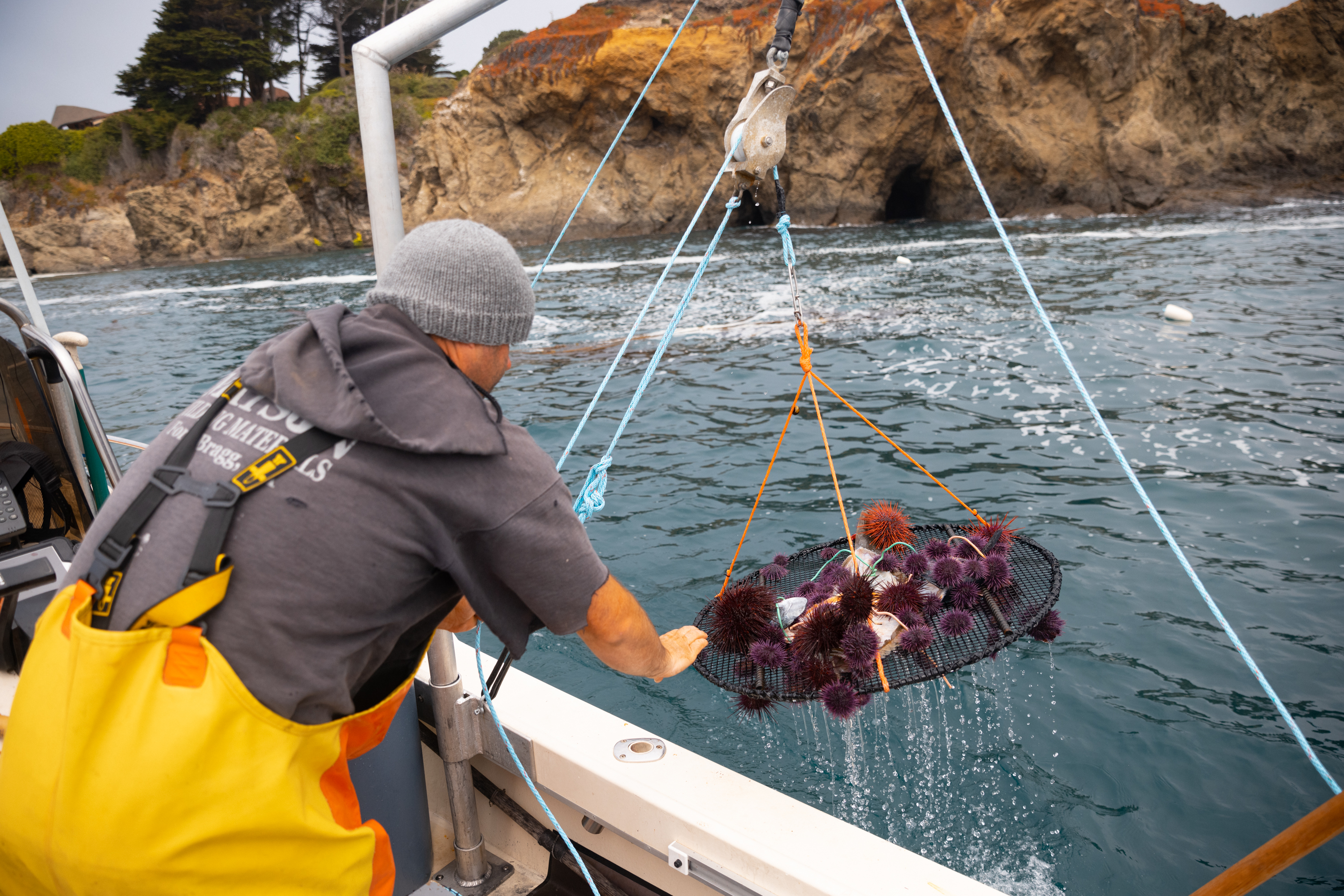
This crisis extends beyond kelp. In 2001, the white abalone became the first marine invertebrate to be listed under the Endangered Species Act. In 2013, a sea star wasting disease event reduced the population of sunflower sea stars by an estimated 94% rangewide, leading to an International Union of Conservation (IUCN) classification as Critically Endangered. In response to the loss of this apex predator, native purple urchin populations have increased exponentially, which have overgrazed vast areas of kelp forests and prevented natural recovery. The prospect of more frequent warm water events makes it even less likely that these vital and iconic ecosystems will be able to recover without human intervention.
-
99%
Decrease in white abalone in Southern CA since 1970's
-
94%
Decline in sunflower sea star population rangewide in 2013
-
96%
Kelp loss along the northern California coast since 2014
About the PCOR Initiative
Launched in late 2024, the Pacific Coast Ocean Restoration Initiative (PCOR) brings together over 20 partner organizations focused on restoring kelp forests, reviving key species such as the sunflower sea star and white abalone, and rebuilding coastal ecosystems and communities. We are also catalyzing efforts to support a skilled marine restoration workforce to advance implementation of habitat restoration and species recovery projects. This includes developing a marine restoration certificate program and piloting a workforce development program.
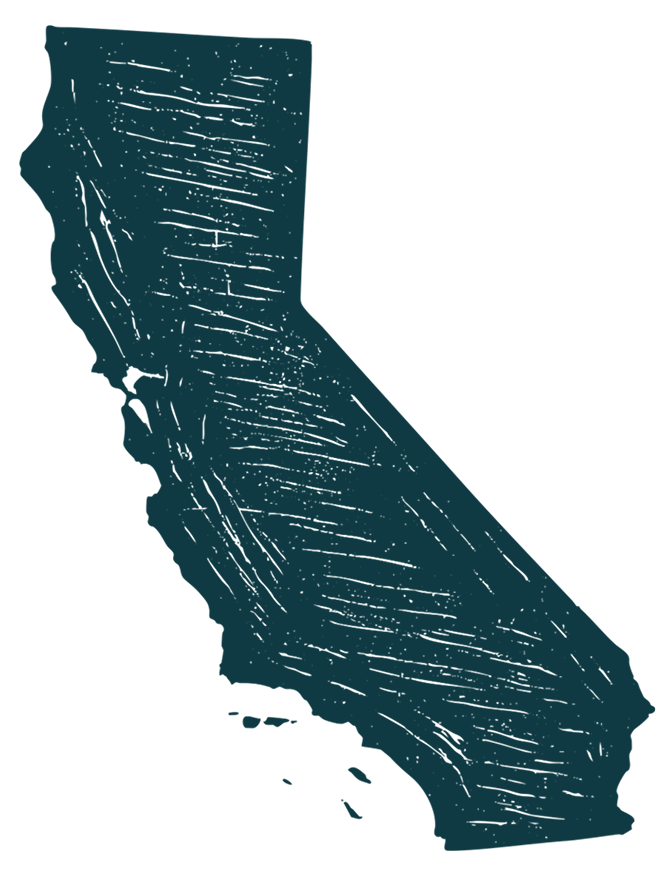
Where We Work
From San Diego to Fort Bragg, the PCOR Initiative is working to recover marine species and habitats across California. We are implementing in-water kelp restoration efforts and working in aquariums and conservation facilities to breed vulnerable yet vital marine species like the sunflower sea star and white abalone to reintroduce them to the wild. We are also piloting a workforce development program in collaboration with a range of partners, touching down in Mendocino County with ambitions to scale across the state.
Recovering Key Species and Habitats
PCOR is focused on recovering key marine habitats and species, starting with bull kelp forests, sunflower sea stars, & white abalone, while also launching an innovative workforce development program.
Bull Kelp
Creating the largest network of bull kelp restoration sites along the North Coast
Sunflower Sea Star
Establishing a breeding program for sunflower sea stars to support species recovery
White Abalone
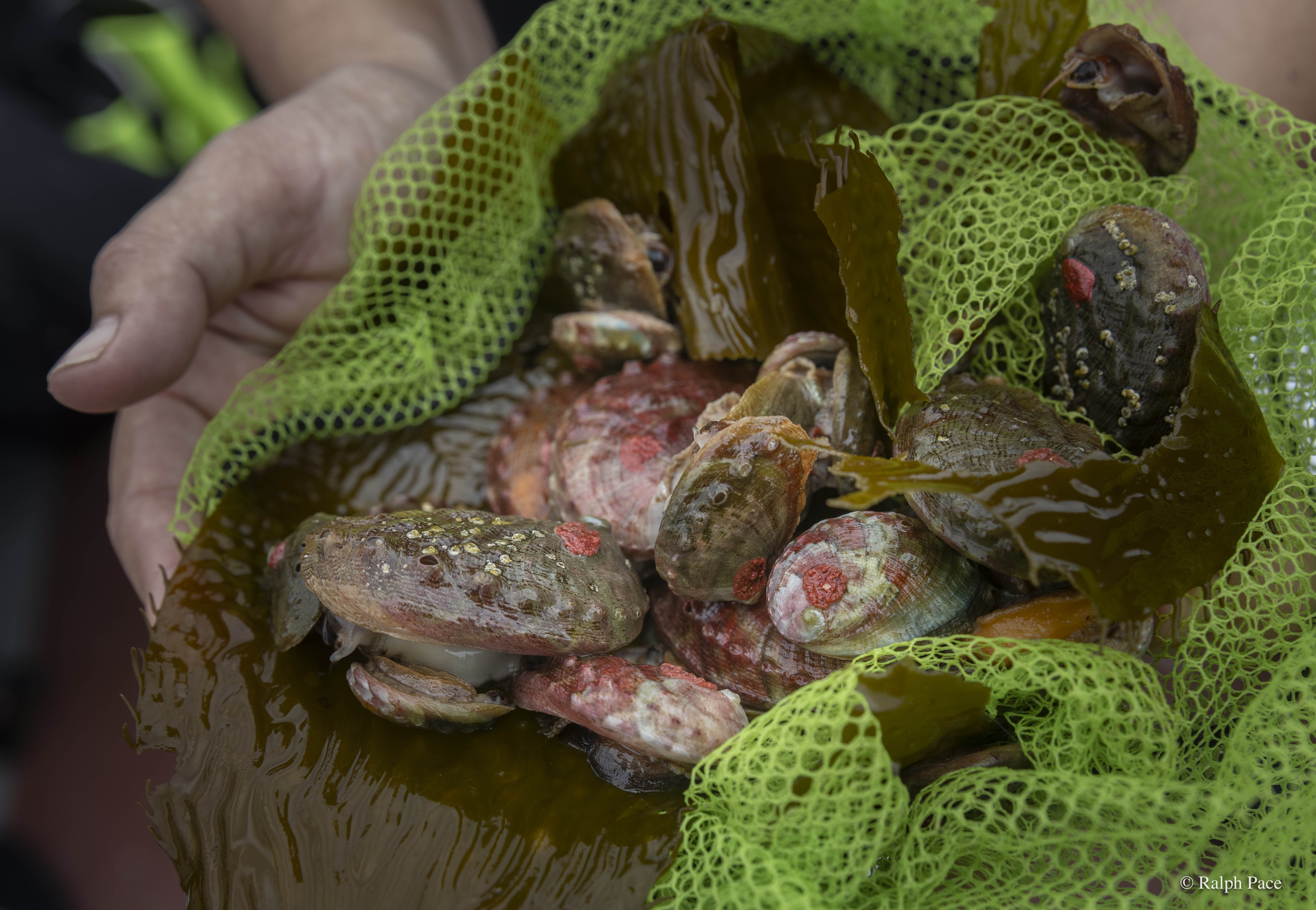
Expanding production and outplanting of white abalone to build towards a self-sustaining population in the wild
Workforce Development
Launch a workforce development pilot program to support increased pace and scale of habitat restoration and species recovery efforts
A New Model for Ocean Recovery
The PCOR Initiative is working to match the scale of this crisis through a transformative collaboration. For several decades, scientists and practitioners have laid the groundwork for important marine restoration efforts across the state. With PCOR, we are forging a conservation network to accelerate the pace and scale of critical restoration.

-

An Ecosystem-Based Approach: Identifying synergies and opportunities for collaborations among organizations and across different species and habitat recovery efforts
-

Improving Infrastructure: Expanding existing restoration programs by providing significant resources for improved infrastructure and jobs
-

Data Collection: Integrating systematic data collection across organizations and geographies and building shared protocols
-

Sharing Resources & Knowledge: Leveraging knowledge, infrastructure, and capacity across the PCOR network
-

Workforce Development: Building workforce capacity by piloting an innovative marine restoration training program
-

Community Engagement: Increasing public awareness of this vital work through community outreach and education efforts
Where We Work
From San Diego to Fort Bragg, we are focused on efforts all over California. Our partner organizations vary in specialties and locations along the California coast and collaborate cross-species and cross-geographies to advance restoration success at an increased pace and scale.
We work in labs, aquariums, local government, universities, federal and state agency offices, and above and below the Pacific Ocean. Click on our locations to learn more about what we are doing across California.
Fort Bragg & Mendocino
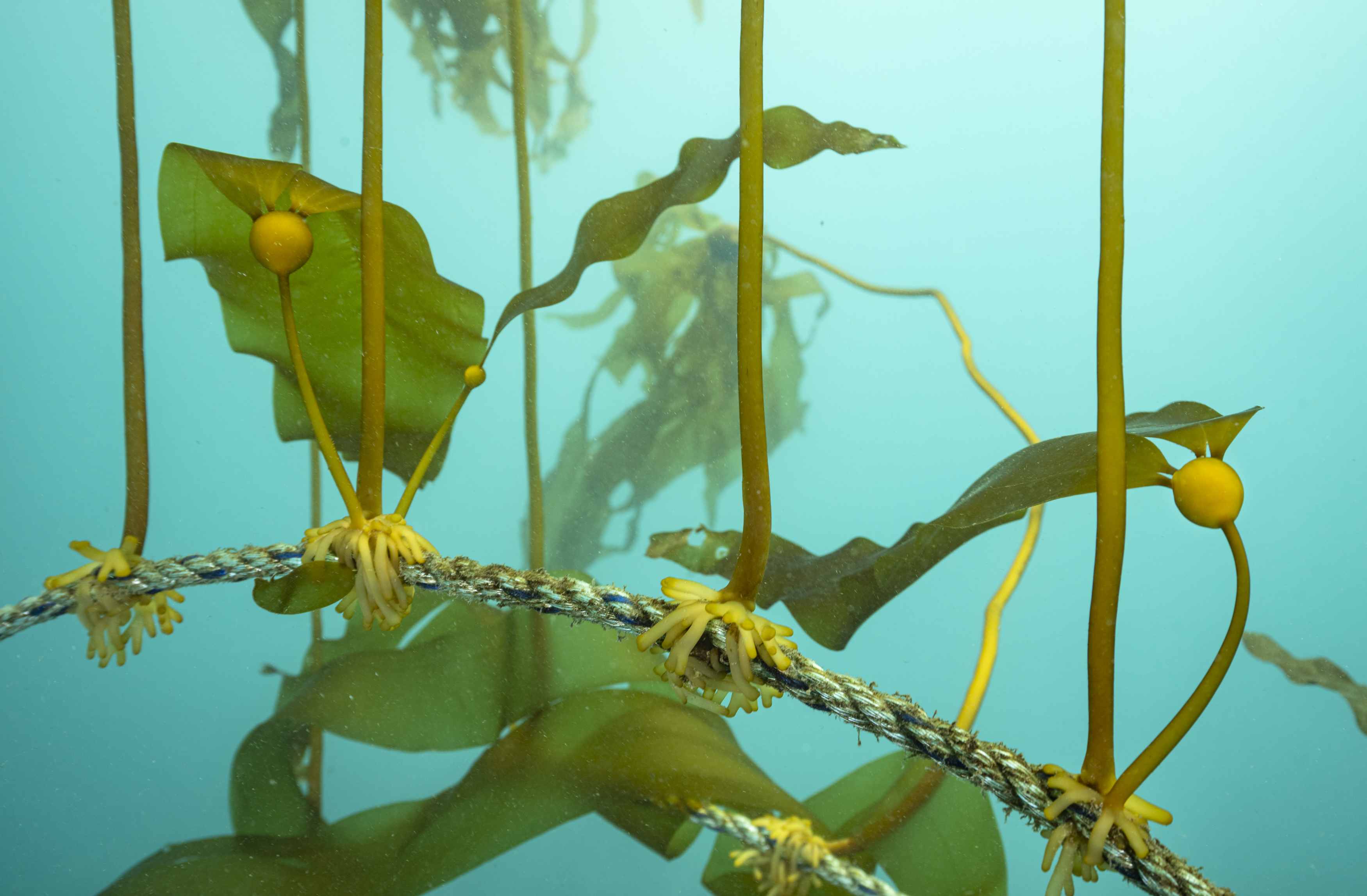
PCOR partners are working to expand kelp restoration to over 30 acres by utilizing kelp outplanting techniques and grazer suppression. This team works with the Sonoma kelp team to form the largest network for bull kelp restoration on the North Coast.
Mendocino County
Our workforce development workstream touches down in Mendocino County, where we are working on creating a certificate program in marine restoration at Mendocino College and piloting a workforce development training program.
Sonoma County
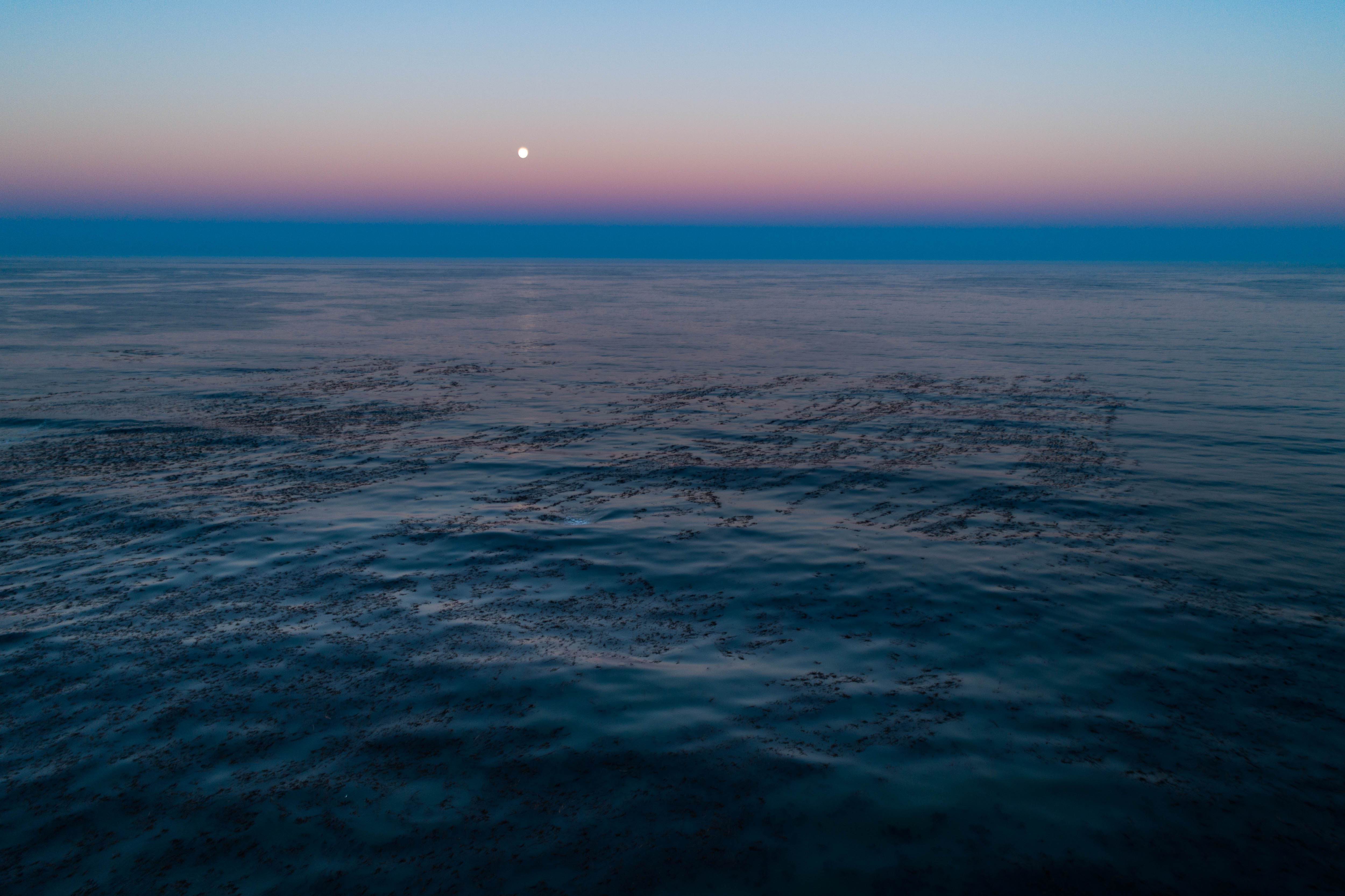
In Sonoma County, PCOR partners are working to restore, monitor, and study kelp forests in Greater Farallones National Marine Sanctuary. This team works with the Mendocino kelp team to form the largest network for bull kelp restoration on the North Coast.
San Francisco
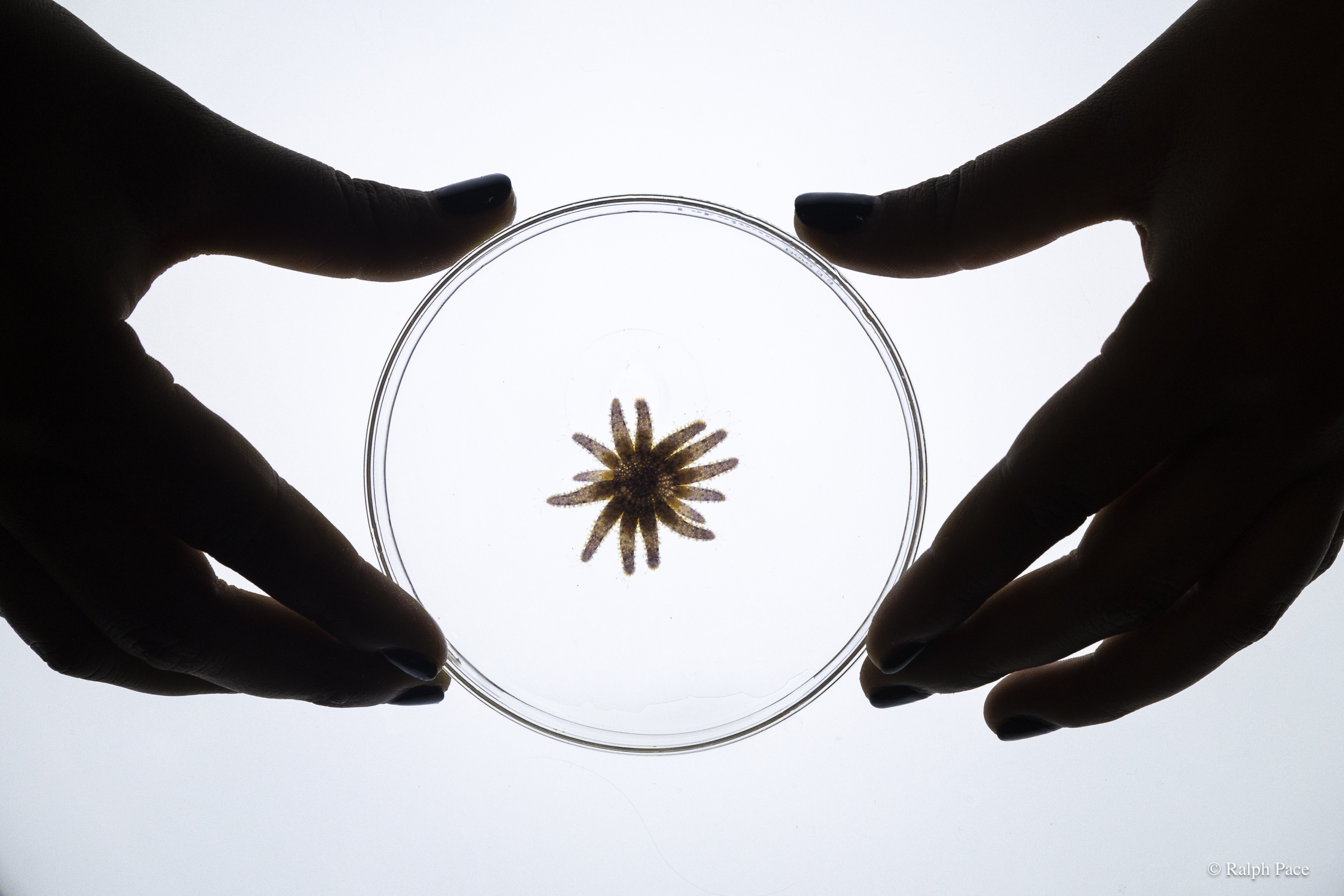
In San Francisco, Cal Academy of Sciences is growing sunflower sea stars and their food systems, conducting related scientific research, creating new public exhibits about kelp forest ecosystems, & hosting outreach and education opportunities.
Moss Landing
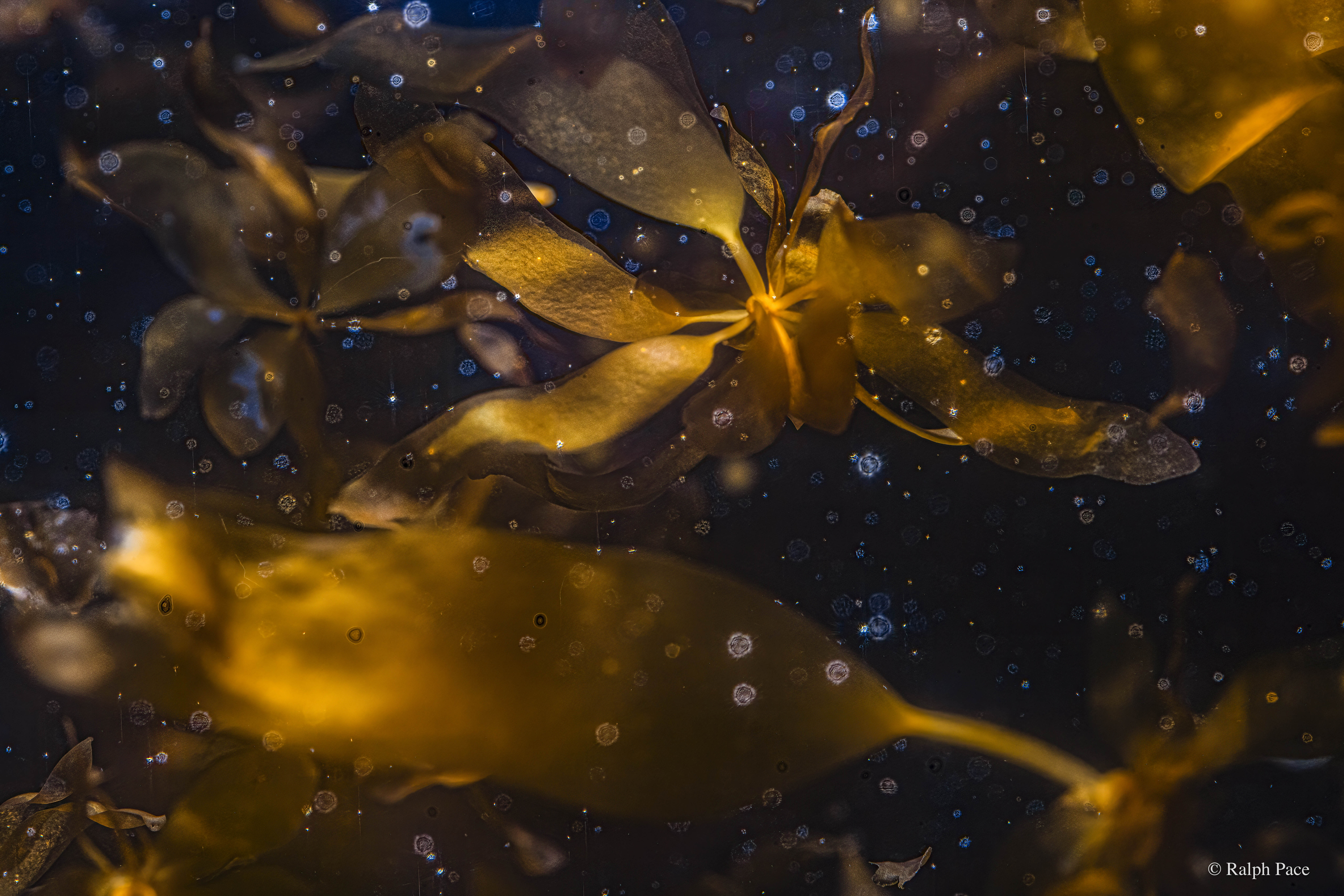
PCOR partners are expanding infrastructure for abalone, kelp cultures, and sunflower sea stars. Kelp and abalone grown here are outplanted to ocean restoration sites. Sunflower Star Laboratory is growing sea stars and conducting related research.
Santa Barbara
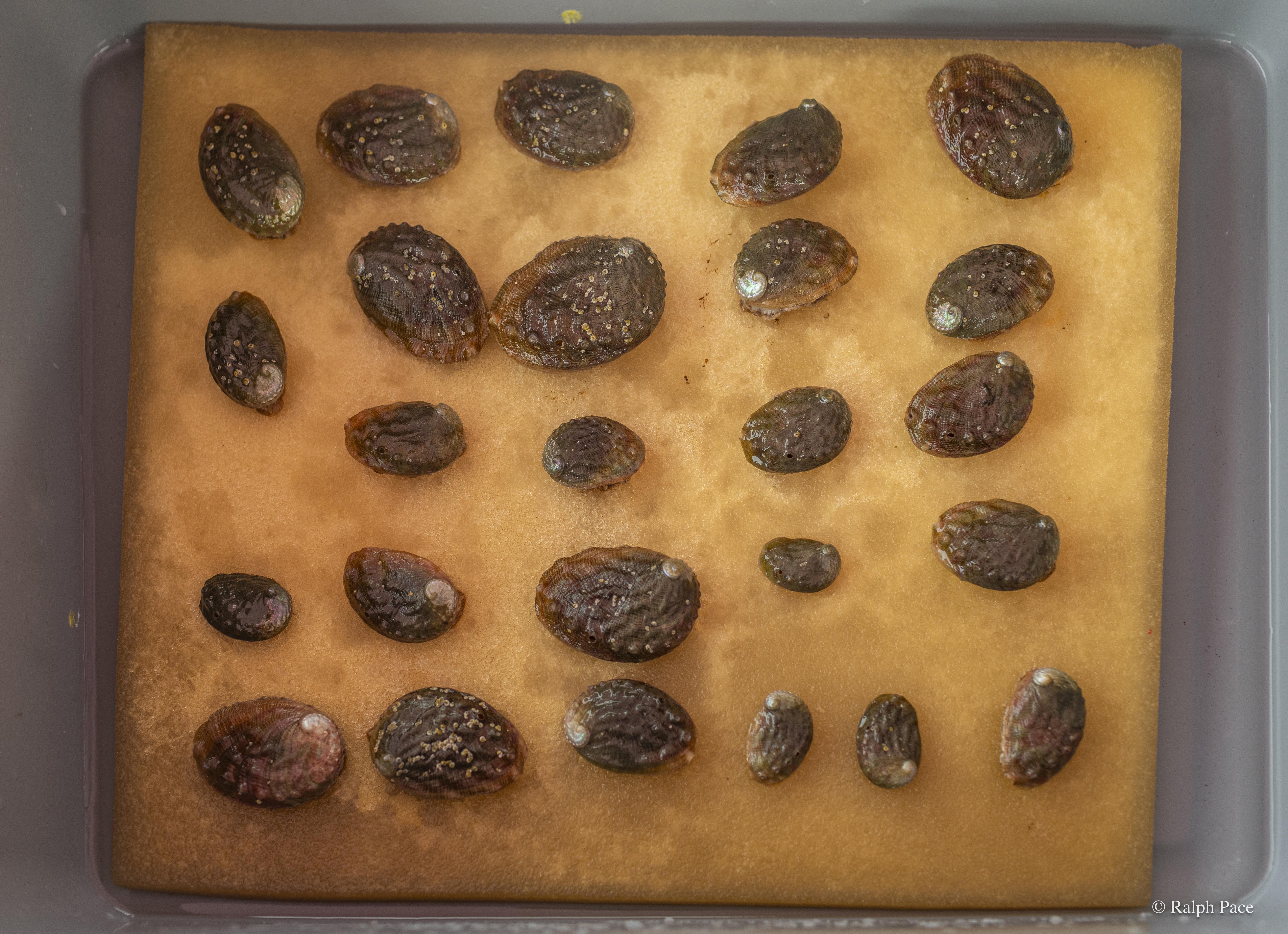
The Cultured Abalone Farm is significantly expanding infrastructure and capacity for rearing juvenile white abalone that will be outplanted to ocean restoration sites to support species recovery efforts.
Los Angeles
Abalone partners are rearing abalone at conservation facilities, then outplanting to ocean restoration sites in southern California.
Long Beach
Aquarium of the Pacific is rearing sunflower sea stars and creating public exhibits about kelp forest ecosystems, sunflower sea stars, and white abalone recovery.
San Diego
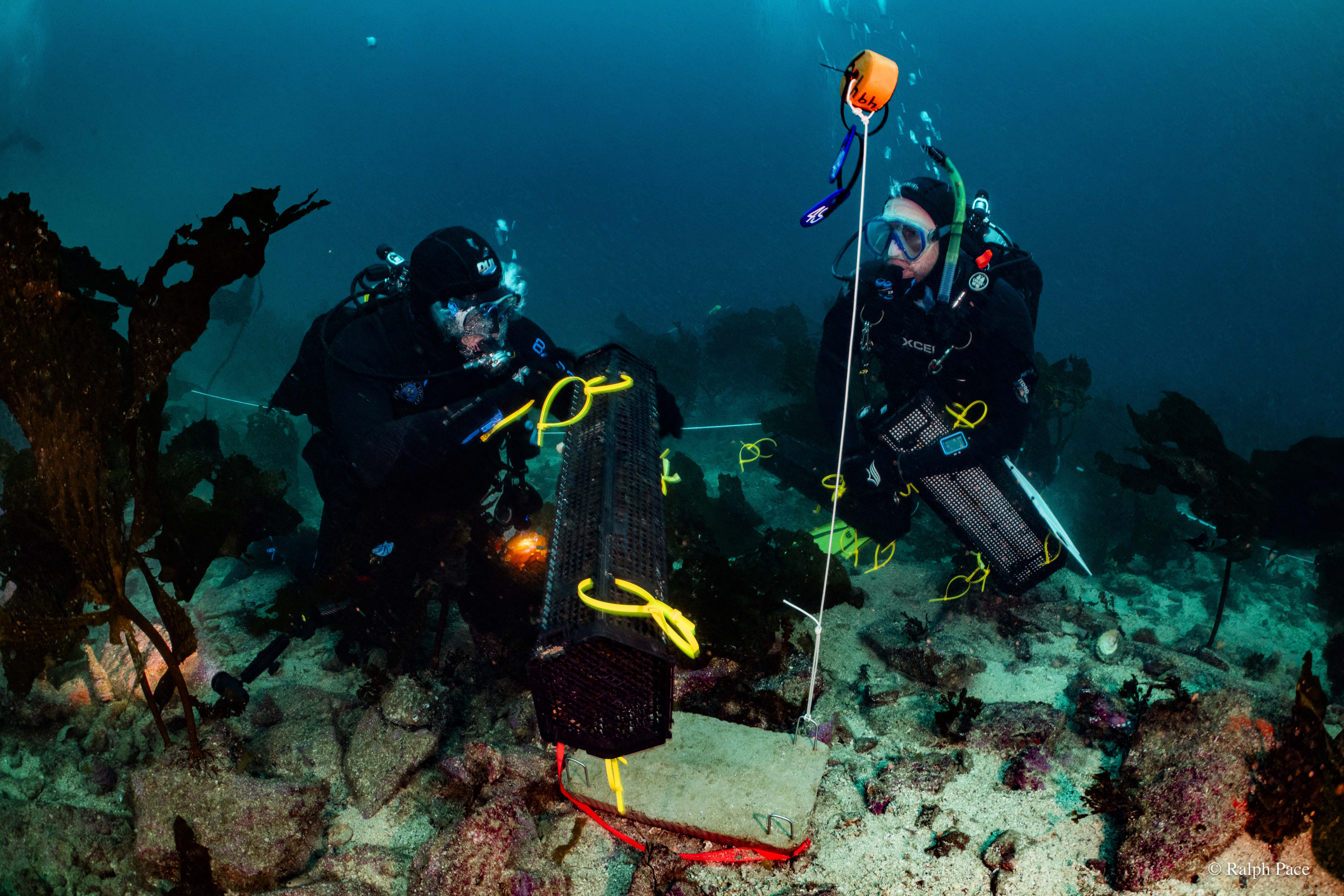
In the San Diego area, PCOR partners are scouting for new outplanting sites, monitoring sites, and outplanting abalone. Outplanting includes post-outplant monitoring throughout the year.

 Return